Thinking about enhancing your breast shape and size but hesitant about implants?
Fat transfer breast augmentation Dubai offers a natural alternative by using your own body fat to create fuller, more balanced breasts. This minimally invasive technique is gaining popularity among women who prefer a subtle enhancement with the added benefit of body contouring.
In this blog, we will talk about the fat transfer breast augmentation procedure, its benefits, and why more women are choosing this method over traditional implants.
Fat transfer breast augmentation—also known as natural breast augmentation or autologous fat grafting—is a cosmetic procedure that increases breast size and shape using your own body fat instead of implants.
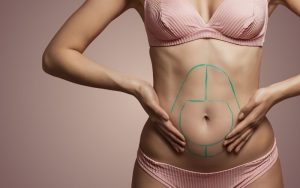
In this technique, fat is typically harvested from areas such as the abdomen, thighs, flanks, or buttocks via liposuction. The extracted fat is then purified and strategically injected into the breasts to create a softer, fuller and more contoured look.
This approach is best suited for individuals seeking a subtle, natural enhancement and who have sufficient donor fat available. It’s also a great option for those who want to avoid foreign implants or desire body contouring along with breast enhancement.
1. 100% Natural enhancement
If you’re hesitant about having breast implants because of introducing foreign objects into your body, fat transfer breast augmentation offers a natural alternative.
This procedure uses your own fat, carefully harvested, purified, and injected into the breasts, resulting in a soft, natural look and feel—without the worry of your breasts appearing or feeling artificial.
2. Long-lasting, permanent results
Unlike implants that may need replacement over time, the results of fat transfer are long-lasting. Since the procedure doesn’t involve synthetic materials, there’s no risk of rupture.
While a small portion of the fat may be naturally reabsorbed, skilled surgeons compensate by injecting a slightly higher volume to ensure you get the results you want.
3. No maintenance required
Breast implants typically require future replacements—often every 10 to 20 years. With fat transfer, there’s no such maintenance.
Once the transferred fat settles, the enhancement becomes a permanent part of your body, eliminating the need for breast revision surgeries.
4. Body contouring
One of the biggest perks of the fat transfer breast augmentation procedure is that you get two procedures in one.
Fat is removed from areas like the tummy, thighs, or flanks via liposuction and then transferred to your breasts.
The result: slimmer, more contoured trouble zones—and naturally fuller breasts. Think flatter stomach, reduced love handles, and a curvier silhouette all in one treatment.
5. Minimal scarring
Traditional breast augmentation often requires larger incisions to place implants, which can lead to visible scarring.
In contrast, fat transfer involves only small, discreet entry points. These tiny incisions heal well and often become nearly invisible over time.
6. Fewer complications
Implants can lead to complications like capsular contracture (hardening due to scar tissue), leakage, or rupture—all of which may require further surgeries.
Fat transfer significantly reduces these risks since it uses your body’s own tissue. You’re simply relocating fat from one area to another, making it a safer, low-risk option.
Fat transfer breast augmentation offers a natural and minimally invasive way to enhance breast size and contour—but it’s not suitable for everyone. This technique is best for women who are seeking a subtle increase in breast volume while also benefiting from body contouring through liposuction.
You may be a good candidate for fat transfer breast augmentation if you meet the following criteria:
1. Consultation and evaluation
It all starts with a detailed consultation. Our surgeon will assess your overall health, review your medical history, and evaluate fat distribution across your body. This helps determine whether you’re a suitable candidate and where fat can be harvested.
You’ll also have the opportunity to discuss your aesthetic goals, breast size preferences, and expected outcomes. This ensures that you and our surgeon are aligned and realistic about what fat transfer can achieve in terms of shape, volume, and symmetry.
2. The procedure
Fat transfer breast augmentation is a three-step procedure that enhances your breasts using your body’s own fat for a natural result:
Fat transfer breast augmentation recovery is generally smoother than traditional implant surgery, but it still requires careful aftercare to ensure optimal fat survival and healing. Most patients can return to light activities within a few days and resume normal routines in 2–3 weeks.
Things to expect during fat transfer breast augmentation recovery:
Helpful tips for a smooth recovery:
By closely following aftercare guidelines, you can support a safe and successful fat transfer breast augmentation recovery with long-lasting, natural-looking results.
Fat transfer breast augmentation offers long-lasting results, with final outcomes generally visible within six months.
During this period, the transferred fat cells establish themselves in the breast tissue, where they remain permanently. Since not all fat cells survive the transfer, surgeons usually inject more fat cells than needed during the transfer.
Most patients are happy with their results, but if you’re not fully satisfied, your surgeon may suggest an additional fat transfer session to enhance the outcome.
When comparing fat transfer breast augmentation and breast implants, many women are opting for fat transfer because it offers a more natural alternative with added benefits:
Overall, in the debate of fat transfer breast augmentation vs implants, fat transfer is gaining popularity among women seeking a subtle, natural enhancement with fewer long-term concerns.
Although fat transfer breast augmentation is generally considered safe, all surgeries carry some level of risk.
Here are some common fat transfer breast augmentation risks to be aware of:
At Aesthetics by King’s College Hospital Dubai, our highly experienced surgical team takes every precaution to minimise these risks and ensure a safe, comfortable experience.
If you’re seeking a natural way to enhance your curves while reshaping areas with stubborn fat, fat transfer breast augmentation could be the perfect solution. At Aesthetics by King’s College Hospital Dubai, we offer this advanced procedure with the highest standards of safety, precision, and artistry.
Recognised as one of the best plastic surgery clinics in Dubai, we provide a full spectrum of world-class cosmetic services—from body sculpting and facial enhancements to anti-ageing therapies and intimate wellness treatments—all under one luxurious roof.
The fat transfer breast augmentation cost depends on several factors, including the surgeon’s experience, the extent of liposuction required, and the clinic’s location. A personalised consultation is the best way to receive an accurate estimate.
Fat transfer vs breast augmentation with implants differs mainly in technique—fat transfer uses your own body fat for a natural look and feel, while implants involve inserting silicone or saline materials for more pronounced volume.
Yes, most plastic surgeons provide fat transfer breast augmentation before and after photos to help you get a realistic idea of what kind of results you can expect, depending on your body type and goals.
Fat transfer does not increase your risk of breast cancer. However, it may cause benign changes like small calcifications, which experienced radiologists can differentiate from signs of cancer during mammograms.
To support long-lasting results, maintain a stable weight, follow a healthy lifestyle, avoid smoking, and follow your surgeon’s post-operative instructions.
Yes, significant weight loss can reduce the volume of the transferred fat, as the fat behaves just like it does in other areas of your body. Consistent weight maintenance is key to preserving your enhancement.
Discomfort post-procedure is usually mild and managed with medication. You may feel sore in both the donor areas (like your abdomen or thighs) and your breasts for a few days post-surgery.
The results are considered permanent, although some fat may be absorbed by the body in the first few months. The fat that survives becomes a lasting part of your breast tissue.
Yes, fat transfer breast augmentation is generally safe when performed by an experienced, board-certified plastic surgeon. Since the procedure uses fat from your own body, there is no risk of allergic reaction or implant-related complications.
Common donor areas include the abdomen, flanks (love handles), inner and outer thighs, hips, and buttocks. Your surgeon will select areas with sufficient fat deposits that can be safely removed.

European and UAE board-certified specialist, and Medical Director