Understanding liposuction before and after means more than looking at photographs. It means knowing what actually happens inside your body between the day of surgery and the moment you see your final result. That in-between period, the liposuction recovery, is where most of the questions and anxieties live, and it is where being well-prepared makes the biggest difference to both your experience and your outcome.
At Aesthetics by King’s College Hospital Dubai, liposuction is performed as a precision body contouring procedure under the care of a specialist plastic surgery team. This guide walks you through what to expect before surgery, how liposuction recovery time unfolds week by week, and when you can realistically expect to see your results.
To know more about – “ Aesthetics by King’s College Hospital ”!
What to do liposuction before and after your liposuction procedure?
Preparing properly for liposuction and following the correct aftercare instructions can significantly improve your recovery and results. Understanding the liposuction before and after process helps set realistic expectations and allows you to take the necessary steps for a smooth healing journey. Your actions before and after surgery play an important role in ensuring optimal recovery and achieving the best possible outcome.
Read more about “ What is Liposuction? “!
What to Do Before Liposuction?
The two to four weeks leading up to your procedure are crucial for preparing your body for surgery. Your clinical team at Aesthetics by King’s will provide a personalised pre-operative plan based on your medical history and treatment goals. In general, patients are advised to:
- Stop taking blood-thinning medications, anti-inflammatory drugs (such as ibuprofen), and certain supplements at least two weeks before surgery, as these can increase the risk of bleeding.
- Avoid smoking before and after your procedure, as nicotine can significantly impair circulation and slow the healing process.
- Limit alcohol consumption during the weeks leading up to surgery.
- Arrange for a responsible adult to drive you home after the procedure and stay with you for the first 24–48 hours.
- Prepare your recovery area in advance with loose, comfortable clothing, compression garments, prescribed medications, and easy-to-prepare nutritious meals.
- Stay well hydrated and avoid extreme dieting or sudden weight fluctuations before surgery.
Liposuction delivers the best results for patients who are close to their ideal weight, have good skin elasticity in the treatment area, and are in generally good health. It is important to understand that liposuction is not a weight-loss procedure but a body contouring treatment designed to remove stubborn, localised fat deposits that do not respond to diet and exercise.
Thinking about liposuction? Learn more about the procedure and book your consultation here: Liposuction at Aesthetics by King’s
What to Do After Liposuction?
Following your surgeon’s post-operative instructions is essential for a safe recovery and optimal results. After your procedure, you should:
- Wear your compression garment as directed to help reduce swelling and support the healing tissues.
- Take all prescribed medications according to your surgeon’s instructions.
- Stay hydrated and maintain a healthy, balanced diet to support recovery.
- Engage in light walking as recommended to promote circulation and reduce the risk of blood clots.
- Avoid strenuous exercise, heavy lifting, and intense physical activity until your surgeon advises it is safe to resume.
- Keep your incision sites clean and attend all scheduled follow-up appointments.
- Avoid smoking and excessive alcohol consumption during the recovery period, as both can delay healing.
Some swelling, bruising, and mild discomfort are normal after liposuction and will gradually improve over the following weeks. While initial improvements may be visible relatively soon after surgery, final results typically become more apparent as swelling subsides and the body fully heals.
Know More About – “Does Liposuction Surgery Leave Scars? “
How long is the recovery from liposuction? A realistic picture
One of the most common questions patients ask before booking is: “How long does it take to recover from liposuction?” The answer depends on the number of areas treated, the volume of fat removed, and your individual healing response. For most patients, the active recovery period lasts four to six weeks, with the full tissue-settling process taking three to six months. Understanding the liposuction before and after journey can help patients set realistic expectations regarding recovery timelines and final results.
For those specifically asking about recovery time for liposuction on the abdomen, the abdomen is one of the larger and more complex treatment areas. Because of its size and the involvement of core muscles in everyday movement, recovery time for abdominal liposuction can sit toward the longer end of the general range. Patients should plan for approximately five to six weeks before returning to full physical activity, with final contour results visible from three months onwards. Reviewing liposuction before and after results can also provide valuable insight into how the body gradually heals and contours improve over time.
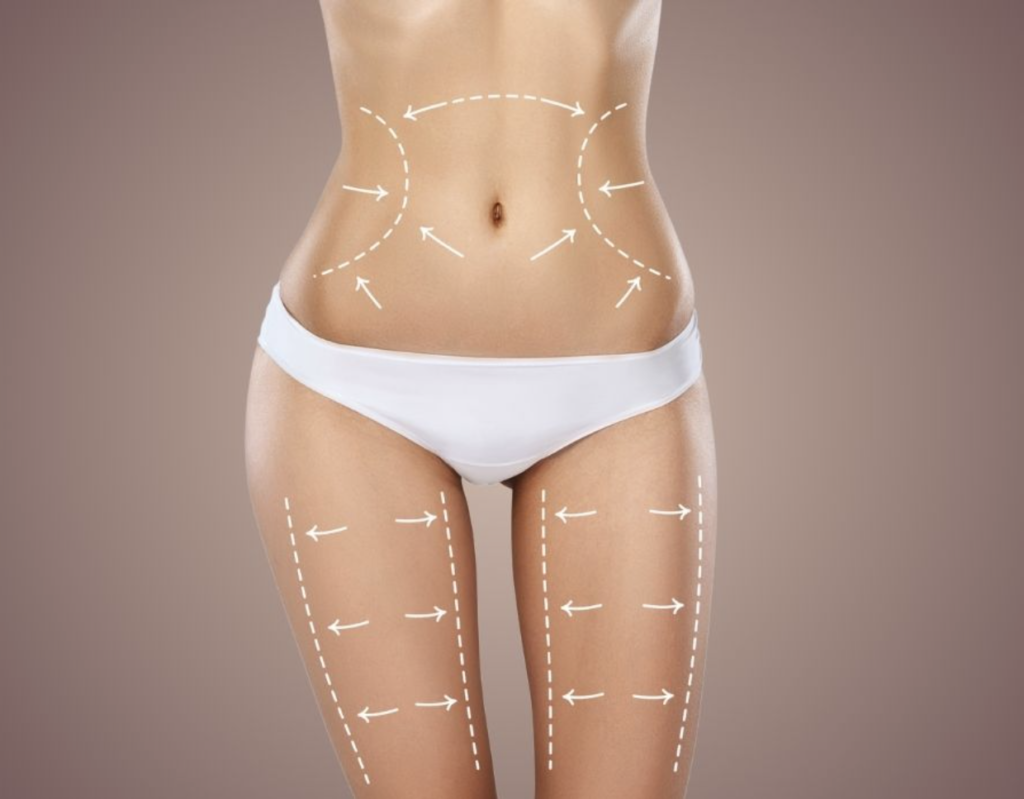
Day by day liposuction recovery: Week-by-week breakdown
The timeline below shows what most patients go through during liposuction and recovery. Everyone heals differently, and your clinical team will check your progress at your follow-up appointments.
Days 1 to 2 |
|
Week 1 |
|
Week 2 |
|
Weeks 3 and 4 |
|
Weeks 5 to 8 |
|
3 to 6 months |
|
When will you see liposuction results before and after?
Many people hope for a big, instant change after liposuction. In reality, the results appear gradually. Knowing this ahead of time can help you avoid worry during recovery. A realistic guide to result visibility:
- Weeks 2 to 4: Early contour improvement is visible beneath residual swelling
- Weeks 6 to 8: A noticeable change in shape becomes apparent as swelling resolves
- 3 months: Results are substantially visible for most patients and continue refining
- 6 months: Full, settled liposuction before and after outcome is your true, permanent result
For recovery time liposuction involving the abdomen specifically, the reveal tends to be more gradual given the volume of fluid the body manages in that region during healing. Patience at this stage is not simply advice; it is genuinely part of how the procedure works.
Practical tips to support your liposuction recovery
How long does recovery from liposuction take can be influenced meaningfully by how well you care for yourself post-operatively. The following practices support a smoother, more comfortable recovery:
- Wear your compression garment for the full duration advised by your surgeon, not just when convenient
- Stay well hydrated and prioritise anti-inflammatory, protein-rich foods that support tissue repair
- Walk gently every day from the day after surgery; short walks are beneficial, not harmful
- Avoid heat exposure during early recovery: no saunas, steam rooms, hot baths, or direct sun on treated areas
- Attend every scheduled post-operative appointment so your team can assess progress and adjust guidance
- Try not to compare your recovery speed to others. Everyone heals at their own pace, and this does not reflect how well you are doing.
- Contact your clinical team promptly if you notice increasing pain, localised warmth, redness, or fever
Lymphatic drainage massage, introduced at the appropriate stage of recovery, can help reduce residual swelling and improve tissue uniformity. Your team at Aesthetics by King’s will advise on timing based on your progress.
Liposuction at Aesthetics by King's College Hospital Dubai
Liposuction procedure and recovery at King’s College Hospital Dubai takes place within a multidisciplinary clinical environment backed by the expertise of one of the UK’s most respected hospital groups. From your first consultation through to your final post-operative review, the focus is on clinical safety, transparency, and outcomes appropriate for your individual anatomy.
During your consultation, your surgeon can also discuss liposuction before and after expectations, helping you understand the realistic improvements that can be achieved based on your body shape, treatment goals, and individual anatomy.
If you are thinking about liposuction and want to know what your own journey will be like, we invite you to book a private consultation. Your goals, body, and recovery are unique, and so is the care you will receive at Aesthetics by King’s.
FAQs
Most patients return to desk-based or remote work within seven to ten days of surgery. How long is liposuction recovery overall depends on the treatment area and volume removed, but the active recovery period is typically four to six weeks. Patients in physically demanding roles may need to allow additional time before returning to work. Your surgeon will advise based on your specific procedure.
In the first 48 hours, most patients experience soreness, tightness, and some drainage from small incision points. By days three to five, bruising and swelling are at their most visible but are manageable with prescribed medication. Week two brings gradual fading of bruising and early contour improvement. By week four, most patients feel broadly normal in daily life, with residual swelling continuing to resolve over the following months.
Recovery time for abdominal liposuction is typically five to six weeks for active recovery, with full tissue settling taking three to six months. The abdomen is a larger treatment area and involves core muscles that are engaged in everyday movements, which is why avoiding lifting, bending at the waist, and high-impact exercise during the first four to six weeks is particularly important for patients who have undergone abdominal treatment.
Initial contour improvement is typically noticeable from around three to four weeks as swelling begins to resolve. The most visible stage of the liposuction before and after transformation generally occurs between six weeks and three months. Full, final results are settled at the six-month mark, once all deeper swelling has resolved and the skin has fully adapted to its new contours.
Yes. Swelling is a normal, expected part of liposuction procedure and recovery. It is most pronounced in the first one to two weeks and gradually resolves over the following months. It is important not to evaluate your final result while significant swelling remains, as this often causes unnecessary concern. Full resolution of deep swelling typically takes three to six months.
Yes. Recovery time liposuction varies by treatment area. Smaller areas such as the chin, arms, or inner knees typically involve a shorter active recovery of two to three weeks. Larger areas such as the abdomen, flanks, or outer thighs involve a longer recovery window of four to six weeks. Your surgical team will give you a specific estimate based on your individual treatment plan.
Consistent compression garment use, daily gentle walking from day one post-surgery, good hydration, a nutritious diet, avoiding heat and alcohol, and attending all post-operative appointments are the most effective measures. Lymphatic drainage massage, introduced at the right point in recovery, can also help reduce residual swelling and improve the smoothness of results.
Yes. At your consultation with the Aesthetics by King’s team, your surgeon will discuss results that are realistic for your specific anatomy and treatment area. The team can share relevant before and after outcomes to give you a genuine sense of what liposuction can achieve, discussed in the context of your individual goals rather than in general terms.