If you’re considering having a baby and have had or are planning to have a tummy tuck, a common concern is: Can I get pregnant after a tummy tuck?
The answer is yes—you can get pregnant after undergoing a tummy tuck surgery. However, there are a few essential things to consider before or after this cosmetic procedure, especially if you’re planning a family.
Pregnancy is still possible whether you’ve had a mini tummy tuck or a full abdominoplasty. However, it’s essential to understand how your body might respond during and after the pregnancy and how it can affect the results of your procedure.
At Aesthetics by King’s College Hospital Dubai, our expert tummy tuck surgeons guide patients through this journey with precision, care, and medical expertise.
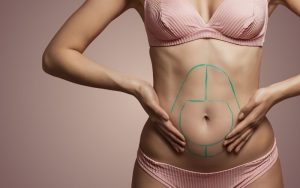
Abdominoplasty, commonly referred to as a tummy tuck, is a cosmetic procedure designed to eliminate excess abdominal skin and fat while also tightening weakened or separated muscles for a firmer, more contoured midsection.
This is especially beneficial for individuals who have experienced significant weight loss or women whose bodies have changed post-pregnancy.
Tummy tuck surgery comes in two main variations: The full abdominoplasty, which addresses the entire abdominal region, and the mini tummy tuck, which is less invasive and limited to the area below the navel.
You can still conceive after a tummy tuck, as the surgery has no impact on your reproductive organs or hormones. If you are in good health and have a functioning reproductive system, your chances of conceiving remain unchanged.
However, it is usually recommended that women wait until after completing their families before undergoing abdominoplasty. That’s because pregnancy can stretch the abdominal muscles and skin, potentially reversing the aesthetic benefits achieved through the procedure.
This doesn’t mean you can’t get pregnant after a tummy tuck—it simply means your results may not look the same post-pregnancy.
Despite having had a tummy tuck, many women still experience normal pregnancies and smooth deliveries. That said, your body will naturally undergo changes that might alter the outcome of your original surgery. Here’s what you might expect:
Extension of the abdominal wall: As your baby grows, your abdominal muscles and skin will stretch, just like in any pregnancy.
Changes in skin elasticity: If your skin loses elasticity again, you may experience sagging or stretch marks post-pregnancy.
Muscle separation: Pregnancy can lead to diastasis recti, where the abdominal muscles separate—something a tummy tuck surgeon initially corrects during the procedure.
While none of these changes are harmful, they may necessitate a revision surgery if you wish to restore your tummy tuck results after childbirth.
Absolutely. Having had a tummy tuck doesn’t compromise the safety of your pregnancy or the health of your baby. The uterus, where the baby grows, is situated deeper inside the body and is not affected by the surgery performed during abdominoplasty.
Multiple board-certified plastic surgeons confirm that patients can expect normal pregnancies and deliveries following tummy tuck surgery.
Of course, it’s essential to keep your tummy tuck surgeon informed if you become pregnant after the procedure so they can monitor any changes and provide guidance if needed.
Ideally, yes. If you plan to become pregnant shortly, delaying your tummy tuck is best. Doing the procedure after completing your family allows you to enjoy long-lasting results without worrying about future pregnancies impacting your surgical outcome.
Some women choose to have a mini tummy tuck or full abdominoplasty after significant weight loss or previous pregnancies, even if they’re open to having more children.
In such cases, as long as you’re informed about the possible need for revision surgery, it’s still a personal choice.
Not always. Some women find that their tummy tuck results hold well even after pregnancy. Others may notice loose skin or a bulging abdomen again and opt for a revision tummy tuck surgery to restore their contours.
How your body adapts to pregnancy, the weight you gain, your age, genetics, and your adherence to post-operative care guidelines will all influence the results.
Our expert surgeons at Aesthetics by King’s College Hospital Dubai are here to guide you with personalised care and honest advice.
Whether you’re planning a procedure or seeking post-pregnancy solutions, we’re with you every step of the way.
Book your consultation today and take the next step with confidence.
It is generally advised by most surgeons to wait between 6 to 12 months after a tummy tuck before attempting pregnancy. This gives your body enough time to heal fully, ensures optimal results, and reduces the risk of complications during pregnancy.
Some women may feel increased tightness or pressure in the abdominal area during pregnancy after a tummy tuck, especially as the belly stretches. However, this varies from person to person and typically does not cause any serious issues. Regular monitoring by your obstetrician is advised.
Yes, a C-section can still be performed after tummy tuck surgery. Your obstetrician will typically work around scar tissue and any changes from your abdominoplasty. You must inform your OB-GYN and tummy tuck surgeon to ensure coordinated care.
Absolutely. A tummy tuck does not involve the breasts or milk ducts, so breastfeeding is not impacted. However, if you’ve also had breast surgery (such as a mommy makeover), you’ll want to check specifically with your surgeon.
No, a pregnancy following tummy tuck surgery is not typically considered high-risk solely because of the surgery. As long as you’re healthy and your OB-GYN monitors your pregnancy, there should be no increased risk related to the tummy tuck.
Yes! Many women opt for a mommy makeover, which combines a tummy tuck, liposuction, and breast surgery for a complete post-pregnancy body transformation. It’s best done when you’re finished with childbearing to preserve your results long-term.

European and UAE board-certified specialist, and Medical Director