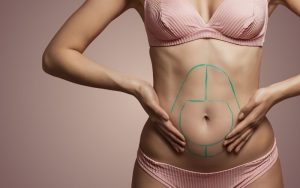
Tummy tuck surgery, or abdominoplasty, is a widely sought-after cosmetic procedure that removes excess skin and tightens the abdominal muscles, creating a flatter, more sculpted midsection.
But what happens if you gain weight after the procedure?
While the surgery’s results can be long-lasting, weight gain can impact your outcomes and potentially reverse some of the benefits.
In this blog, we’ll explore how post-surgery weight fluctuations affect your body and what you can do to maintain your results.
Yes, it’s absolutely possible to gain weight after a tummy tuck.
While a tummy tuck surgery removes excess skin and fat from the abdominal area, it doesn’t stop your body from storing fat in the future. If your calorie intake regularly exceeds what you burn, or if you lead a more sedentary lifestyle, weight gain can still occur, just like it would for anyone else.
Several factors can cause weight gain after a tummy tuck:
Poor diet: Consuming a high-calorie, high-sugar, or high-fat diet after surgery can lead to new fat accumulation, even in areas not treated by the tummy tuck. Since the body continues to store excess calories as fat, overeating can quickly reverse the visual benefits of your surgery.
Lack of physical activity:
While rest is crucial during the recovery period, prolonged inactivity can slow down your metabolism and increase the likelihood of weight gain. If regular physical activity is not resumed after healing, it can result in fat gain across different parts of the body.
Hormonal changes:
Hormonal fluctuations—caused by ageing, menopause, thyroid dysfunction, or conditions such as PCOS—can interfere with metabolism and appetite control. These imbalances may lead to increased fat storage, cravings, and weight gain.
Pregnancy:
Pregnancy after a tummy tuck can stretch abdominal muscles and cause weight gain, which can undo much of the tightening and contouring achieved by the procedure. It is generally advised to undergo a tummy tuck only after you’ve completed your family.
Medications: Certain medications, such as antidepressants, corticosteroids, or hormone therapies, can affect how your body processes fat and manages appetite, leading to increased weight even without major dietary changes.
Stress and hormonal balance: Chronic stress can contribute to elevated cortisol levels—often linked with ongoing stress—which may lead to increased fat storage, particularly in the abdominal area. Managing stress through mindfulness, regular exercise, and adequate sleep can support better metabolic and hormonal health, especially for individuals with PCOS.
Minor weight fluctuations, such as gaining or losing a few pounds, generally have little to no effect on the outcome of your tummy tuck. So, if your weight shifts slightly after surgery, there’s usually no need for concern. Your abdomen will still appear flat, toned, and well-contoured.
However, more significant weight gain—typically around 10 pounds or more—can begin to alter your results. Extra fat accumulation in the abdominal area can reduce the sculpted appearance achieved during surgery.
In some cases, it may also lead to new stretch marks, reduced skin elasticity, and added strain on the abdominal muscles that were previously tightened.
To achieve optimal, long-lasting results, it’s essential to maintain a stable weight before your tummy tuck surgery. Establishing healthy habits will ensure the longevity of your tummy tuck results.
By incorporating these habits into your lifestyle, you’ll not only maintain your tummy tuck results but also boost your overall well-being.
Weight gain after a tummy tuck can affect your results, but with a balanced approach to diet, exercise, and overall well-being, you can maintain your results for years. Minor weight fluctuations are normal, but significant weight gain may undo some of the benefits achieved through the procedure.
Ready to take the next step?
Visit Aesthetics by King’s College Hospital—where your transformation is in expert hands. Operating under the prestigious umbrella of King’s College Hospital (KCH), we provide patients in Dubai with access to some of the region’s top dermatologists, aesthetic gynaecologists, and world-class plastic surgeons.
Let us help you look and feel your absolute best—safely, confidently, and beautifully— book your appointment today.
Since fat cells are removed during a tummy tuck, new fat may accumulate in untreated areas like the thighs, arms, back, or hips.
Yes, minor fluctuations are common and usually don’t significantly impact the results. However, consistent weight gain can be problematic.
Yes, in some cases, a second tummy tuck (or revision) can be performed if your weight gain has significantly affected your results. Consult your surgeon for personalized advice.
There are several reasons why people gain weight after a tummy tuck, including hormonal changes, poor diet, lack of physical activity, stress, and insufficient sleep.

European and UAE board-certified specialist, and Medical Director